


Ramanathaswamy Temple
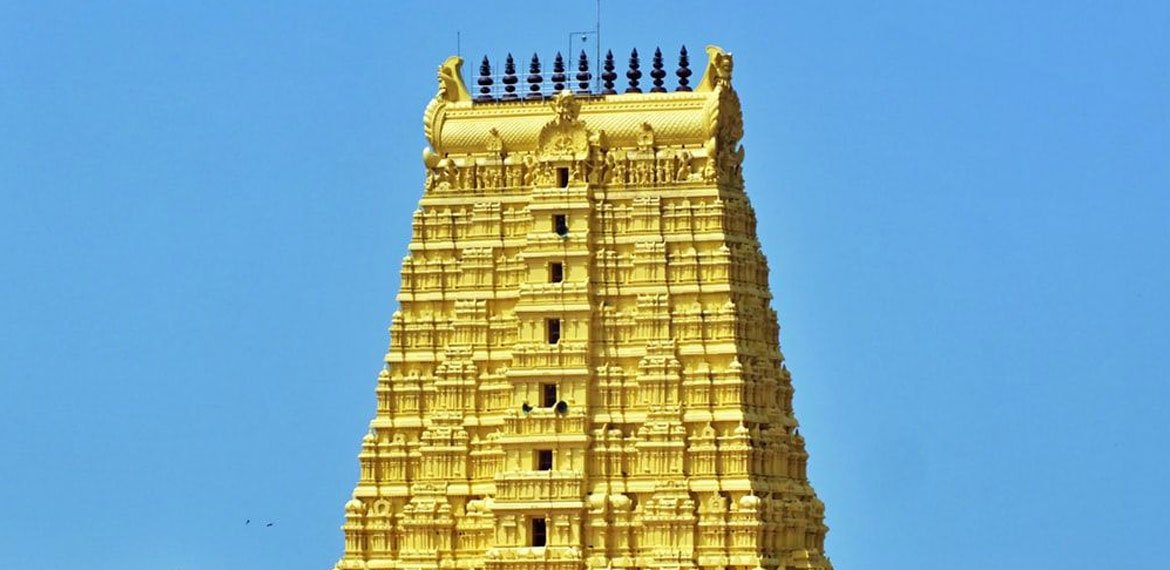
Ramanathaswamy Temple
Rameswaram Ramanathaswamy Temple is generally open daily from 5:00 AM to 1:00 PM and 3:00 PM to 9:00 PM. Key rituals include the special Spatika Linga Darshan from 5:00 AM to 6:00 AM. The 22 holy wells (teerthams) are accessible from early morning, with main deity darshan available throughout the open hours.
Key Darshan and Puja Timings (Approximate):
1. Temple Opening Time: 4:00 AM or 5:00 AM
2. Spatika Linga Darshan: 5:00 AM – 6:00 AM
3. Morning Darshan: 6:00 AM – 1:00 PM
4. Temple Closing Time (Afternoon): 1:00 PM – 3:00 PM.
5. Evening Darshan: 3:00 PM – 9:00 PM
6. Ritual Baths (22 Wells): Generally 5:00 AM – 1:00 PM
Spatika Linga Darshan (Mani Darshan) at the Ramanathaswamy Temple in Rameswaram takes place daily in the early morning between 5:00 AM and 6:00 AM. It is highly recommended to report by 4:30 AM to secure a spot for this sacred viewing of the crystal Lingam.
Key details for the Spatika Linga Darshan:
Ticket: A specific ticket is required for this darshan, often costing around ₹50 per person.
Significance: The Lingam is made of spatik (quartz crystal) and is considered highly sacred, representing a unique, early-morning ritual.
Ritual: During this time, the main deity is covered with a curtain, and the Spatika Lingam is displayed for viewing.
Preparation: It is recommended to take a holy bath at the Agni Theertham beach or the 22 sacred wells within the temple complex beforehand.
Important Information:
Best Time to Visit: October to February (cool weather).
Darshan Options: Free General Darshan is available, along with special/VIP darshan tickets priced between ₹100–₹500.
Note: Timings may change during special festivals like Maha Shivaratri or Mahakumbhabhishekam.
Introduction :
Rameshwaram, a sacred island town in Tamil Nadu, is a place where spirituality and natural beauty converge. Located on Pamban Island, this revered destination is not only one of the holiest Hindu pilgrimage sites in India but also a land of breathtaking landscapes. As a key part of the Char Dham pilgrimage circuit, Rameshwaram attracts millions of devotees and travelers from around the globe. Beyond its religious significance, the town offers a tranquil escape with its pristine beaches, unique marine life, and the iconic Pamban Bridge, which stands as a marvel of engineering connecting the island to the mainland. A visit here is a profound journey for the soul, a scenic delight for the eyes, and a deep dive into the rich tapestry of Indian mythology and culture.
A Glimpse into Rameshwaram’s Spiritual Heritage :
Rameshwaram holds immense spiritual significance, primarily as one of the four cardinal points of the Char Dham pilgrimage circuit. These four sacred sites—Badrinath, Dwarka, Puri, and Rameshwaram—are believed to grant salvation to devotees who visit them. The town's spiritual identity is inextricably linked to the epic Ramayana. It is believed to be the place where Lord Rama, on his journey to rescue his wife Sita, worshipped Lord Shiva to atone for the sin of killing Ravana, a Brahmin. The town's atmosphere is steeped in devotion, with the chanting of prayers and the presence of pilgrims from all corners of the country giving it a unique, hallowed energy.
Ramanathaswamy Temple – A Sacred Pilgrimage :
The heart and soul of Rameshwaram is the Ramanathaswamy Temple, a sacred site dedicated to Lord Shiva. It is one of the 12 Jyotirlingas, or devotional shrines of Shiva, and is revered by both Shaivites and Vaishnavites. Pilgrims visit the temple to perform a sacred ritual that involves bathing in the 22 holy wells (teerthams) and then offering prayers to the principal deity, the lingam of Lord Shiva. The main lingam is said to have been installed by Lord Rama himself, while a second lingam, brought by Lord Hanuman from Mount Kailash, is also worshipped. The temple is not just a place of worship but a focal point for the entire town's life, with its grand architecture and sacred rituals defining the rhythm of the day.
Architectural Marvels and Ancient Corridors :
The Ramanathaswamy Temple is a stunning example of Dravidian architecture, with its most remarkable feature being its colossal corridors. The temple boasts the longest corridor among all Hindu temples in India, stretching over 1,220 meters. These corridors are a visual spectacle, with thousands of beautifully carved pillars, each adorned with intricate sculptures and painted ceilings. The play of light and shadow in these ancient halls creates an almost mystical atmosphere. In addition to the corridors, the temple is renowned for its 22 teerthams (holy water tanks), each with its own unique history and believed to possess distinct healing properties. Pilgrims embark on a ritualistic bath in these wells, a practice that is considered essential to the pilgrimage. The temple's towering gopurams (gateways), intricate carvings, and the sacred wells collectively showcase the architectural brilliance and spiritual depth of this sacred site.
Mythological Significance of Rameshwaram :
Rameshwaram's profound significance is rooted in the timeless epic of the Ramayana. According to the legend, Lord Rama, after his triumphant return from Lanka with his wife Sita, was advised by sages to atone for the sin of killing Ravana, a great scholar and a Brahmin. To do so, he decided to worship Lord Shiva by installing a lingam. He sent Lord Hanuman to bring a lingam from Mount Kailash, but as Hanuman was delayed, Sita created a lingam out of sand. This sand-made lingam is the primary deity of the Ramanathaswamy Temple. When Hanuman returned, he was saddened to find the ritual complete, so Rama installed the lingam brought by Hanuman next to the main one and decreed that pilgrims must first worship Hanuman's lingam to receive the full blessings of the temple. This enduring tale of faith, devotion, and atonement makes Rameshwaram a crucial pilgrimage site for millions of Hindus.
Dhanushkodi – The Ghost Town by the Sea :
A visit to Rameshwaram is incomplete without a trip to Dhanushkodi, a place of haunting beauty and mythological significance. Once a thriving port town, it was tragically destroyed by a cyclone in 1964 and has since remained a "ghost town." Located at the southeastern tip of Pamban Island, Dhanushkodi is where the Indian Ocean and the Bay of Bengal meet, offering a breathtaking and unique view. According to the Ramayana, it is believed to be the spot where Lord Rama built the mythical Ram Setu (Adam's Bridge) to cross over to Lanka. The remnants of the old town, including a church and railway station, stand as a poignant reminder of the cyclone's devastation. Reaching Dhanushkodi requires a jeep ride through the sand, and its desolate beauty and historical weight make it a compelling destination.
Pamban Bridge – Gateway to the Island :
The Pamban Bridge is not just a link to Rameshwaram but an iconic engineering marvel in itself. It is India's first sea bridge, connecting the town of Mandapam on the mainland to Pamban Island. The bridge is divided into two sections: the Pamban Railway Bridge and the Indira Gandhi Road Bridge. The railway bridge, which opened in 1914, is a cantilever bridge that can be lifted to allow ships to pass underneath. Traveling across this historic bridge offers a spectacular view of the turquoise sea and the surrounding islands. The Pamban Bridge is more than just a means of transport; it is a symbol of human ingenuity and a breathtaking introduction to the sacred island of Rameshwaram.
Spiritual Rituals and Pilgrimage Activities :
The pilgrimage to Rameshwaram is a deeply spiritual experience centered on a series of rituals. The journey traditionally begins with a bath in the sacred waters of Agnitheertham, a holy sea located on the temple's eastern side. This is followed by a bath in the 22 holy wells (teerthams) located within the Ramanathaswamy Temple complex. Each well is believed to have water with a different taste and to offer a unique spiritual benefit. After the ritualistic baths, pilgrims offer prayers at the main shrines of the Ramanathaswamy Temple. Devotees also visit the nearby Panchmukhi Hanuman Temple, which is famous for its five-faced Hanuman idol, and the Gandhamadhana Parvatham, a hillock where Lord Rama's footprints are said to be enshrined. These rituals and visits form the core of the pilgrimage, providing a profound spiritual experience for devotees.
Conclusion :
Rameshwaram is a destination that transcends a simple travel experience, offering a journey for both the body and the soul. Its profound spiritual significance as one of the Char Dhams, coupled with the breathtaking beauty of its natural and man-made wonders like the Pamban Bridge and Dhanushkodi, makes it a truly unique place. Whether you are a devout pilgrim seeking spiritual solace or a curious traveler eager to explore a land rich in mythology and scenic beauty, Rameshwaram promises an unforgettable and deeply moving experience. The island's tranquil atmosphere, vibrant traditions, and a history woven with epic legends leave an indelible mark on every visitor.